Categories
Parents

Care During Pregnancy
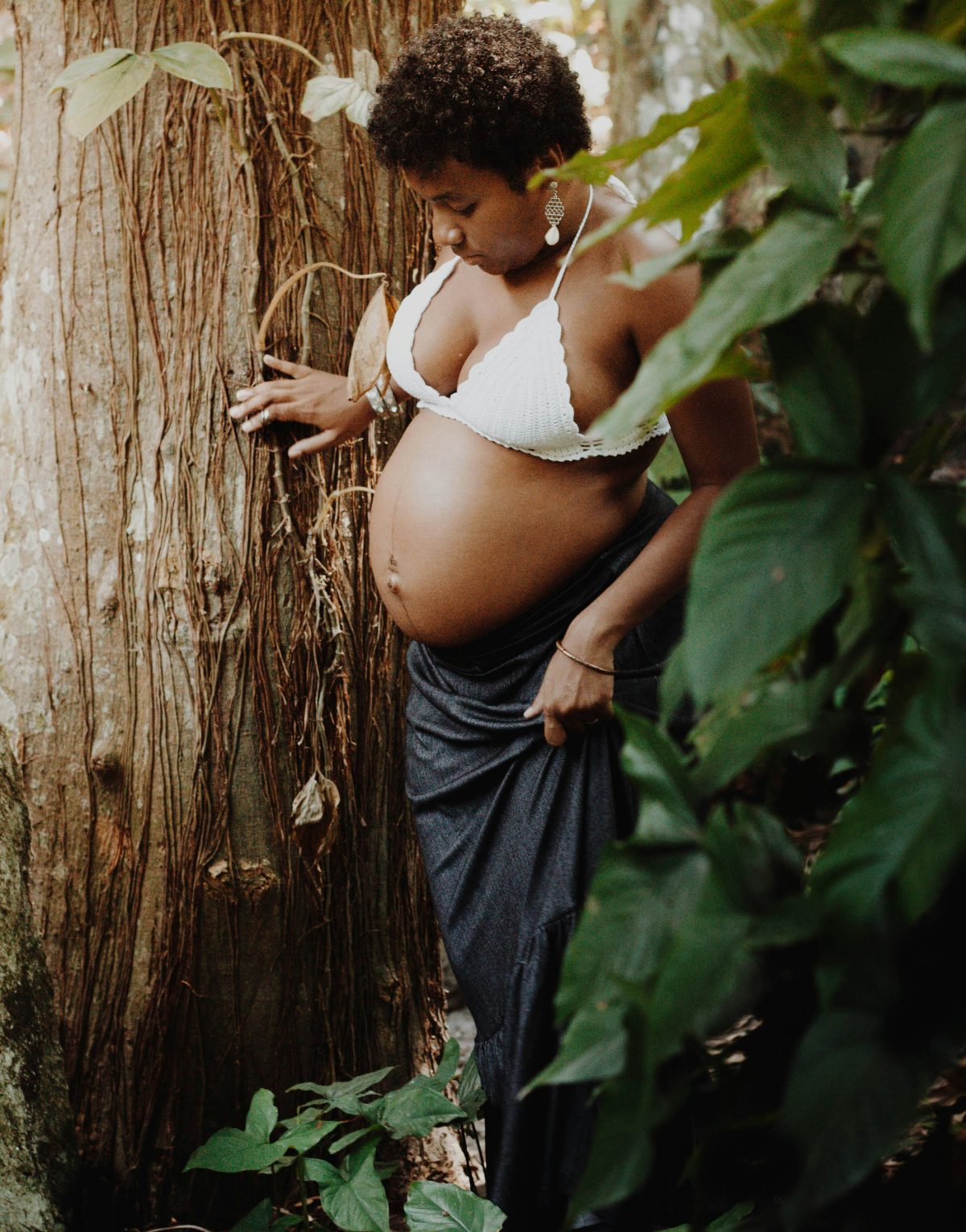
A healthy pregnancy lays the foundation for a healthy child. At the Paediatric Society of Papua New Guinea, we emphasize the importance of quality maternal care as the first step in safeguarding the well-being of newborns and children.

Why Pregnancy Care Matters
Proper care during pregnancy helps prevent complications, ensures timely detection of health issues, and supports the healthy development of the baby. It also prepares mothers — physically and emotionally — for a safe delivery and confident parenthood.

Key Aspects of Prenatal Care:
Regular Antenatal Visits: Early and consistent check-ups with a qualified health provider help monitor the mother’s and baby’s health, track development, and manage any risk factors.

Nutrition & Supplements: Eating a balanced diet rich in iron, calcium, protein, and folic acid is vital. Supplements such as iron and folate are often recommended to prevent anemia and neural tube defects.

Vaccinations: Protecting mothers against preventable diseases like tetanus helps safeguard both mother and baby.

Education & Support: Expecting mothers benefit from learning about childbirth, breastfeeding, infant care, and warning signs of complications.

Mental Health Awareness: Emotional well-being during pregnancy is just as important. Support from family, community, and healthcare providers can reduce stress, anxiety, and depression.

Avoiding Harmful Substances: Pregnant women should avoid alcohol, tobacco, and certain medications or traditional herbs that may harm the unborn baby.

Our Commitment
We work alongside healthcare providers, communities, and national institutions to promote quality pregnancy care, reduce maternal and infant mortality, and support families from the earliest stages of life.
Categories
Parents

Newborn Care

Giving Birth Safely and Newborn Care
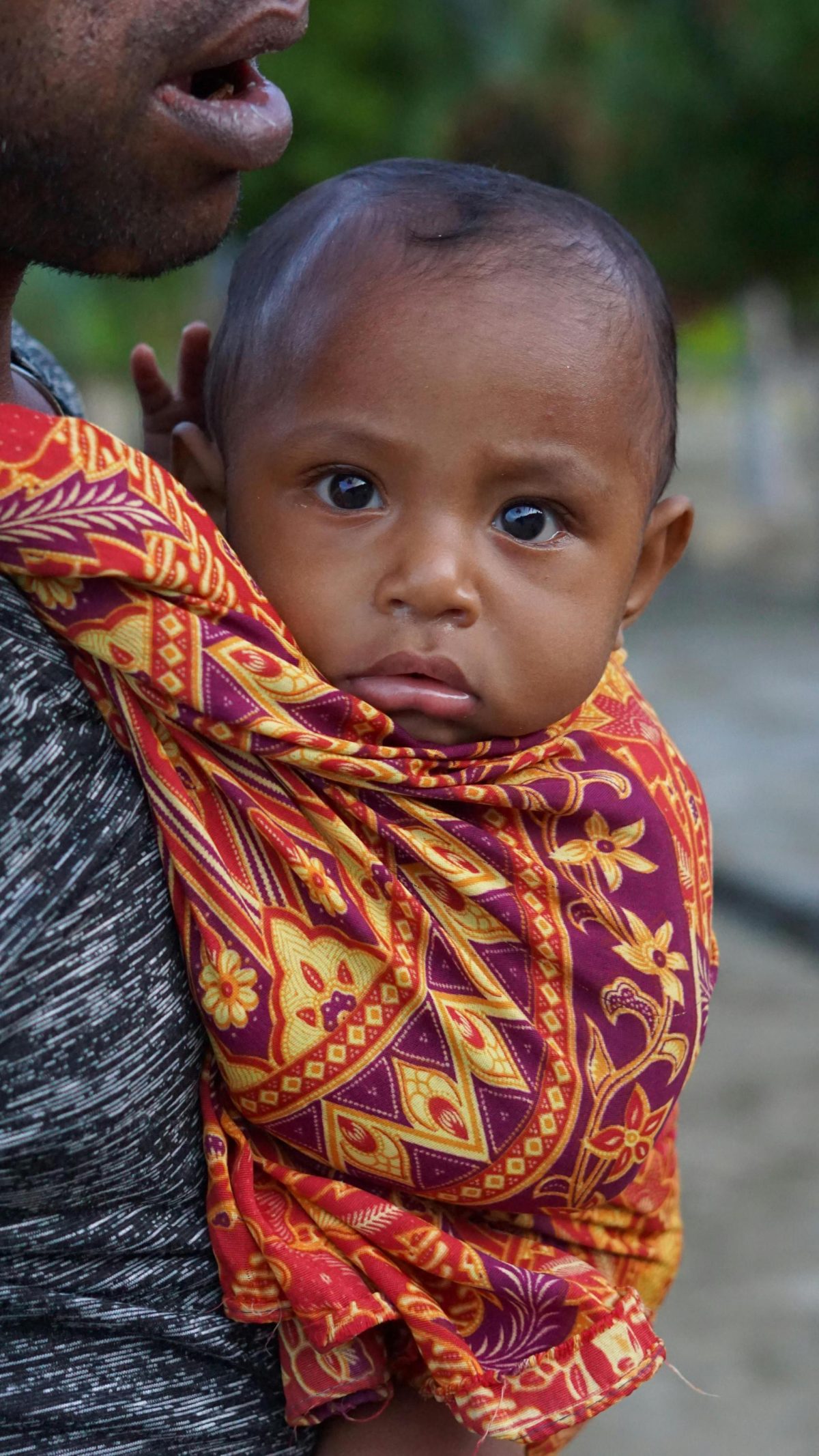
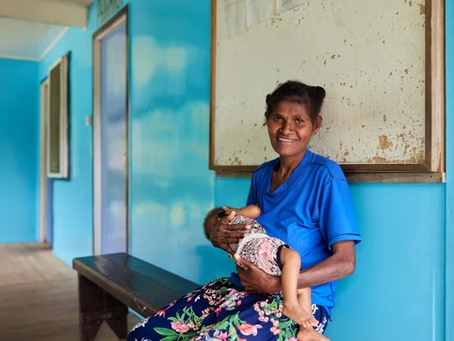
In PNG each year about 5000 newborn babies die in the first week of life. More than half of all babies born occur outside hospitals. Giving birth at home is very dangerous for babies, and dangerous for mothers. Babies born at home are more likely to get infections or to suffer from a lack of oxygen after birth, leading to severe illness.

Compared to babies born in a health centre or hospital where there are skilled midwives and doctors, babies born in villages are much more likely to die in the first week of life.

Mothers who give birth at home are also more likely to die from bleeding or infection after birth. Every effort should be made to give birth in a hospital or heath centre where there is a skilled midwife.

Babies at the Time of Birth Need:

  • To be dried thoroughly with a clean towel
  • Skin-to-skin contact with their mothers
  • Clamping and cutting the cord with a sterile blade
  • To suck on the breast and stay in constant contact with their mothers, not be separated
  • Eye care, Vitamin K, immunizations
  • Weighed and checked to see if they are well

The birth should be recorded in the Baby Book, and in the Health Clinic or Hospital register. In some parts of PNG the services of midwives or doctors are not available, or clinics are a long distance away. This is not a satisfactory situation.

Child Health Record Book
Every new baby in PNG should have a Child Health Record Book (Baby Book) for recording vaccines, weight, any illnesses and how they are treated. This is a very important book, and should be kept in a safe place and brought to the clinic at every visit. The Baby Book also contains information for parents on feeding, what signs of illness to look out for, and family planning.

Categories
Parents

Family Planning

Family planning plays a vital role in the health and well-being of parents, children, and communities. It empowers individuals and couples to decide when and how many children to have — improving maternal and child health outcomes.

Benefits of Family Planning:

Healthier Pregnancies
: Allows for spacing between births, reducing health risks for both mother and baby.

Empowered Choices: Gives women and families control over reproductive decisions.

Economic Stability: Helps families plan financially and emotionally for each child.

Reduced Child Mortality: When pregnancies are well-timed and planned, children are more likely to survive and thrive.

Access and Support:
We advocate for accessible, culturally sensitive family planning services that include education, a range of safe contraceptive options, and support from trained healthcare providers.