Categories
Parents

Care During Pregnancy
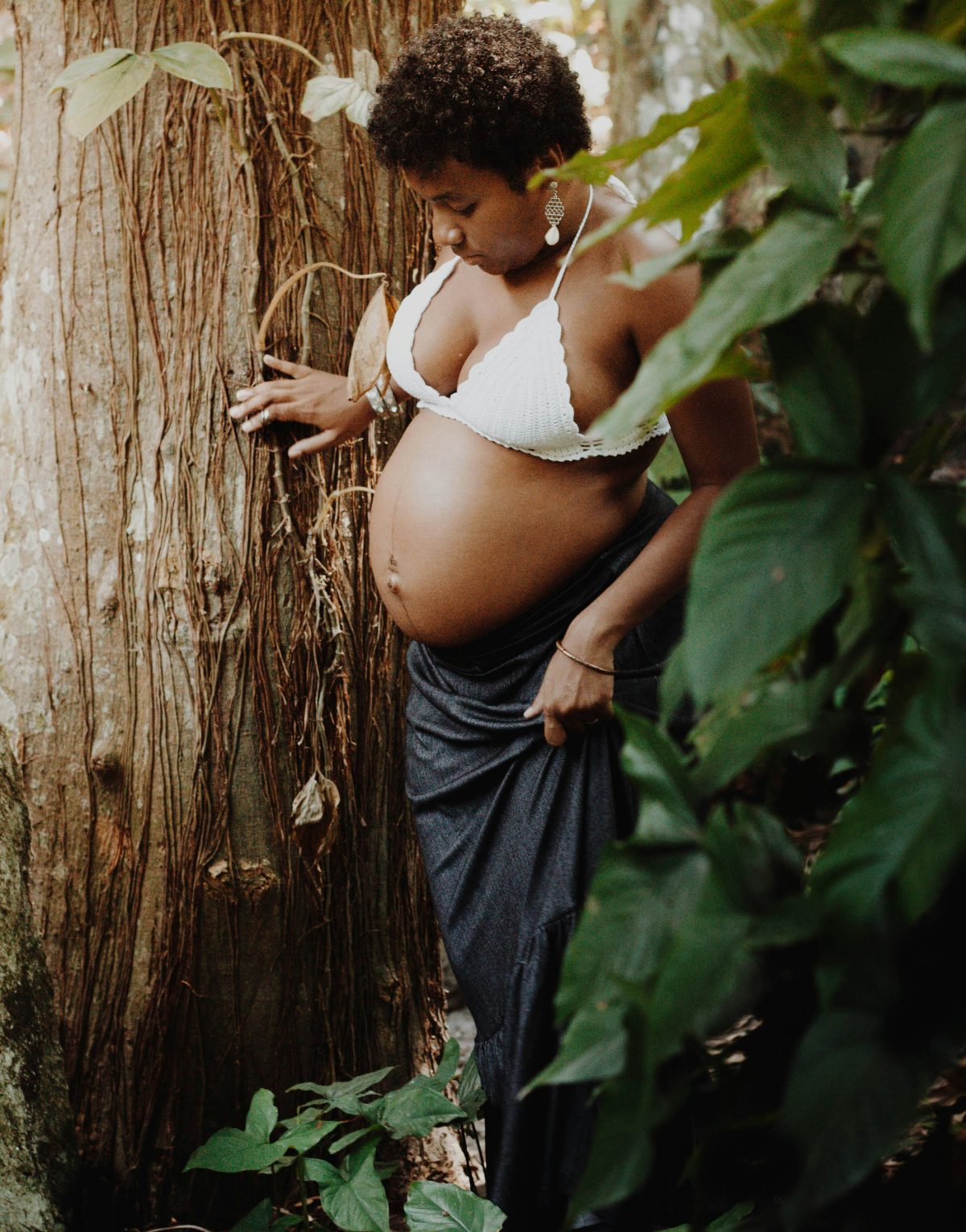
A healthy pregnancy lays the foundation for a healthy child. At the Paediatric Society of Papua New Guinea, we emphasize the importance of quality maternal care as the first step in safeguarding the well-being of newborns and children.

Why Pregnancy Care Matters
Proper care during pregnancy helps prevent complications, ensures timely detection of health issues, and supports the healthy development of the baby. It also prepares mothers — physically and emotionally — for a safe delivery and confident parenthood.

Key Aspects of Prenatal Care:
Regular Antenatal Visits: Early and consistent check-ups with a qualified health provider help monitor the mother’s and baby’s health, track development, and manage any risk factors.

Nutrition & Supplements: Eating a balanced diet rich in iron, calcium, protein, and folic acid is vital. Supplements such as iron and folate are often recommended to prevent anemia and neural tube defects.

Vaccinations: Protecting mothers against preventable diseases like tetanus helps safeguard both mother and baby.

Education & Support: Expecting mothers benefit from learning about childbirth, breastfeeding, infant care, and warning signs of complications.

Mental Health Awareness: Emotional well-being during pregnancy is just as important. Support from family, community, and healthcare providers can reduce stress, anxiety, and depression.

Avoiding Harmful Substances: Pregnant women should avoid alcohol, tobacco, and certain medications or traditional herbs that may harm the unborn baby.

Our Commitment
We work alongside healthcare providers, communities, and national institutions to promote quality pregnancy care, reduce maternal and infant mortality, and support families from the earliest stages of life.
Categories
Parents

Newborn Care

Giving Birth Safely and Newborn Care
In PNG each year about 5000 newborn babies die in the first week of life. More than half of all babies born occur outside hospitals. Giving birth at home is very dangerous for babies, and dangerous for mothers. Babies born at home are more likely to get infections or to suffer from a lack of oxygen after birth, leading to severe illness.

Compared to babies born in a health centre or hospital where there are skilled midwives and doctors, babies born in villages are much more likely to die in the first week of life.

Mothers who give birth at home are also more likely to die from bleeding or infection after birth. Every effort should be made to give birth in a hospital or heath centre where there is a skilled midwife.

Babies at the Time of Birth Need:

  • To be dried thoroughly with a clean towel
  • Skin-to-skin contact with their mothers
  • Clamping and cutting the cord with a sterile blade
  • To suck on the breast and stay in constant contact with their mothers, not be separated
  • Eye care, Vitamin K, immunizations
  • Weighed and checked to see if they are well

The birth should be recorded in the Baby Book, and in the Health Clinic or Hospital register. In some parts of PNG the services of midwives or doctors are not available, or clinics are a long distance away. This is not a satisfactory situation.

Child Health Record Book
Every new baby in PNG should have a Child Health Record Book (Baby Book) for recording vaccines, weight, any illnesses and how they are treated. This is a very important book, and should be kept in a safe place and brought to the clinic at every visit. The Baby Book also contains information for parents on feeding, what signs of illness to look out for, and family planning.

Categories
Parents

Healthy Development

A child’s early years are critical for lifelong health, learning, and well-being. The Paediatric Society of Papua New Guinea supports initiatives and practices that ensure children grow and thrive in safe, nurturing environments.

What Healthy Development Includes:
Physical Growth: Regular monitoring of height, weight, and milestones ensures early identification of growth concerns.

Nutrition: Proper feeding practices from infancy, including exclusive breastfeeding for the first six months, lay the foundation for healthy growth.

Immunization: Timely vaccines protect against life-threatening diseases and support community health.

Cognitive and Emotional Development: Play, early learning, and responsive parenting help shape a child’s brain and behavior.

Safe Environment: Protection from abuse, neglect, and harmful substances is essential for emotional and physical well-being.

Our Goal:
To equip families and health workers with the knowledge and tools needed to support each stage of a child’s development — from birth to adolescence.

Categories
Parents

Family Planning

Family planning plays a vital role in the health and well-being of parents, children, and communities. It empowers individuals and couples to decide when and how many children to have — improving maternal and child health outcomes.

Benefits of Family Planning:

Healthier Pregnancies
: Allows for spacing between births, reducing health risks for both mother and baby.

Empowered Choices: Gives women and families control over reproductive decisions.

Economic Stability: Helps families plan financially and emotionally for each child.

Reduced Child Mortality: When pregnancies are well-timed and planned, children are more likely to survive and thrive.

Access and Support:
We advocate for accessible, culturally sensitive family planning services that include education, a range of safe contraceptive options, and support from trained healthcare providers.

Categories
Parents

Nutrition

Breast Feeding and Good Nutrition Help Your Child Survive, Grow and be Healthy

Malnutrition is very common in PNG. Many mothers have difficulty fully breast feeding her baby for sufficient time, and mothers often have no support for breast-feeding. Many infants are weaned early, or they do not receive adequate types or amounts of food.

For the first 4-6 months of life the only nutrition a baby needs is breast milk. Breast milk has all the nutrition a baby needs, and protects against severe diseases that kill children, particularly diarrhoea and pneumonia.

“Exclusive” breast-feeding is the best way to feed young infants. “Exclusive” means that he baby takes only breast milk and no additional food or fluids (including no water) for at least the first 4-6 months of life. The only exceptions are medicines if a baby needs these. Babies older than 6 months should continue to be breast fed, but “complimentary” feeds can be started.

Babies who are exclusively breast fed for at least the first 4-6 months of life are less likely to become unwell than babies who are fed solids or soft feeds too early. In PNG nearly all mothers breast-feed their babies, but many mothers start giving additional food, such as soft banana, pumpkin etc, very early, before the baby is 4 months old. This can lead to illnesses including pneumonia.

Exclusive breast feeding gives the best chances of good growth and development. The introduction of other food and fluid should be delayed until the baby is 4-6 months of age.

Baby bottles (or other bottle) or baby cups with a spout puts babies at risk of diarrhoea, malnutrition and death. This is because it is very hard to keep teats and bottles clean. They become contaminated with germs that cause diarrhoea. Many mothers who use bottles cannot afford infant formula so they give powdered cow’s milk, or dilute the formula with too much water to make the tin of milk powder last longer. This will cause the baby to have too few calories. Diarrhoea from dirty bottles and low calorie intake are common causes of severe malnutrition and death in bottle fed babies. Cow’s milk also causes anaemia, a serious problem of the blood.

Babies need to be weighed regularly to check growth. If a mother takes her baby to a health centre 7 times in the first year of life (birth, 1, 2, 3, 6, 9 and 12 months) the baby can be weighed and receive all the necessary vaccines. Starting at 6 months of age children also need a dose vitamin A every 6 months, which you can receive from your health clinic.

If mothers are having difficulty with breast feeding they should seek assistance from midwives, nurses at health centres or the Susu Mamas (http://www.susumamas.org.pg), or toll free number 7200 6262.

From 6 months babies need healthy weaning foods, and all children need a balanced diet. Dr Al Maha from Nonga General Hospital has developed a healthy plate.

Categories
Parents

Vaccines and Immunization

Vaccines (also called immunisation) save many thousands of children’s lives each year. Vaccines prevent children becoming ill from diseases like measles, tetanus, whooping cough, hepatitis, tuberculosis, meningitis and pneumonia. They are safe for your baby, and proven to prevent sickness and save lives.

Parents should take their baby to a health centre seven times in the first year of life (at birth, and at 1, 2, 3, 6, 9 and 12 months of age). The reasons for this are to:

  • Receive vaccines and other medicines to protect them from these diseases.
  • Mothers can get help with breast-feeding, and advice about what foods to make their baby grow strong
  • Babies can be weighed regularly for checking growth.
  • Mothers and fathers can also get help with family planning, if they want it.

The Child Health Record book is an important record of your baby’s vaccines and health. If you take this book to the health centre every time you go with your child, it will be an up-to-date record for you to keep, and to help the health care workers.

Download the Child Health Record Book here:

  • Baby Book Girls
  • Baby Book Boys
Categories
News

Harnessing Artificial Intelligence to detect TB in mothers and children

A PNG First Papua New Guinea has one of the highest Tuberculosis (TB) prevalence rates in the Western Pacific, with over 30,000 new cases annually.

 In an important move, Australia has partnered with other organisations to introduce artificial intelligence (AI) into TB care for mothers and children at Port Moresby General Hospital (POMGEN)—a first of its kind in Papua New Guinea.

This is the result of collaboration between the University of Papua New Guinea’s School of Medicine and Health Sciences, the National TB Program, the PNG Obstetrics & Gynaecology Society, the Paediatric Society of PNG, National Capital District Provincial Health Authority (NCDPHA), World Vision International, and Baylor College of Medicine.

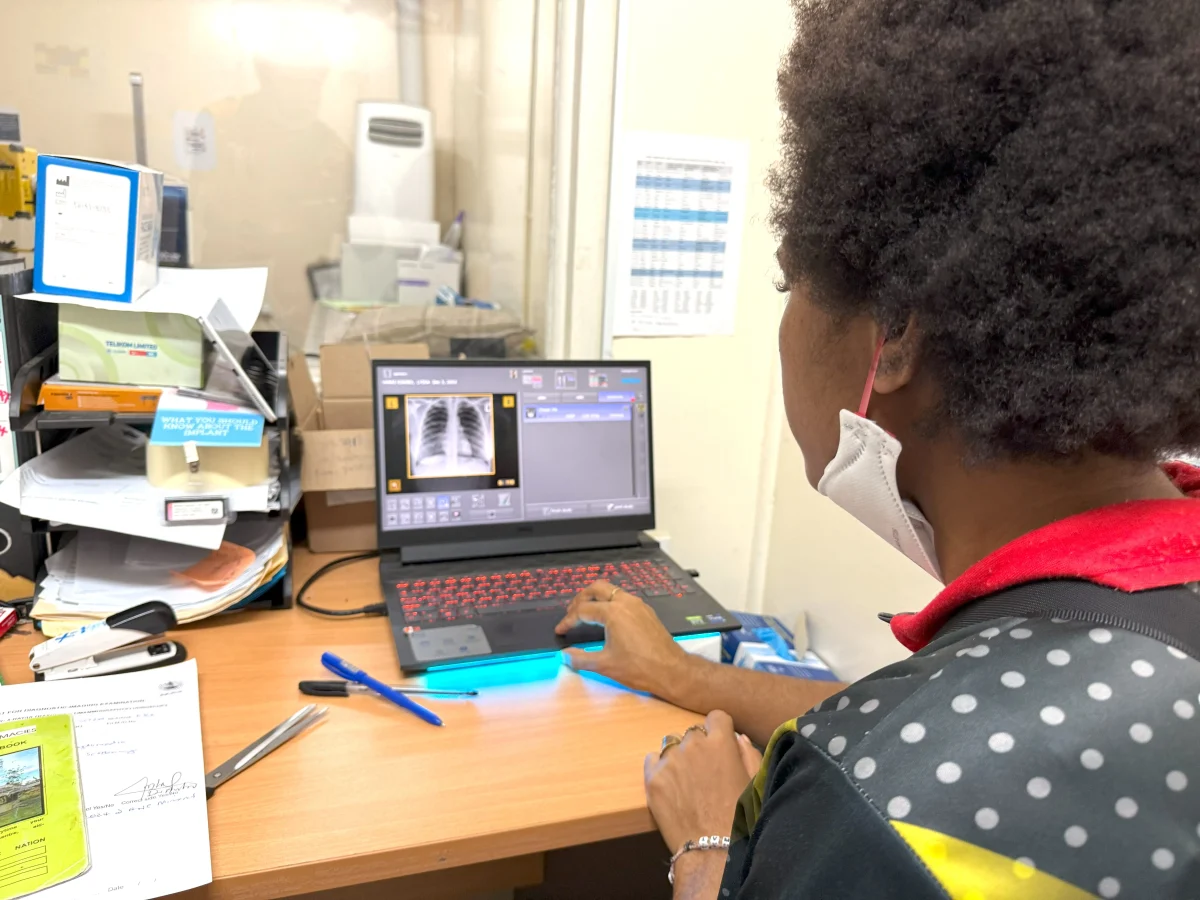
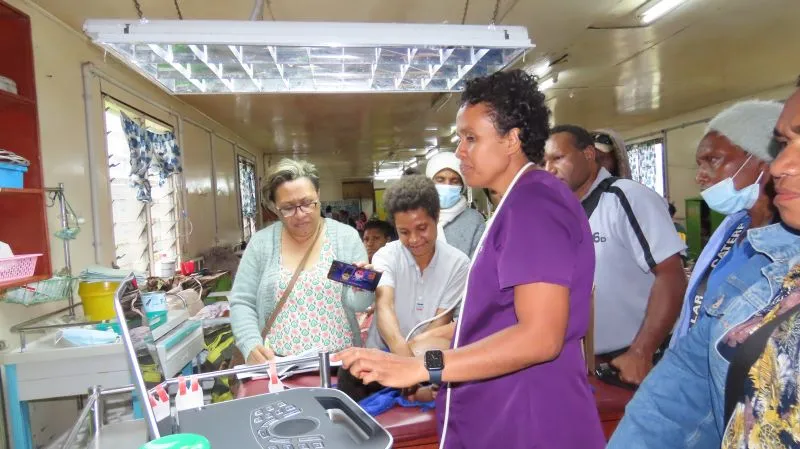
Radiographer Sendilla Gabriel going through a result

With continued support from the Australian Government through the PNG-Aus Partnership’s Stop TB Partnership, a portable X-ray machine has been procured that utilises AI technology. The AI tool, installed on a portable MinXray system, generates a TB risk score within seconds. Healthcare workers responsible for treating patients can review images and make informed decisions quickly.

 Since acquiring the portable MinXray system with the (QureAI) AI tool installed in 2024, the investment has enabled the deployment of AI-assisted TB screening directly into POMGEN’s Maternity Wing, Radiology Department, and TB clinics.

Radiographer Brenda Maingu assisting a mother to be x-rayed

 The Australian Government is proud to be working alongside other initiatives that improve early detection, reduce diagnostic delays, and strengthen local capacity to combat TB.

Categories
News

Australia and PNG launch key Paediatric Health Guide

The 11th edition of The Standard Treatment for Common Illnesses of Children in Papua New Guinea was officially launched today by the Paediatric Society of Papua New Guinea (PSPNG) and representatives from the Australian High Commission.

The book, which has been a cornerstone of child healthcare since PNG’s independence in 1975, is published every five years and is widely used from remote aid posts to busy provincial hospitals.

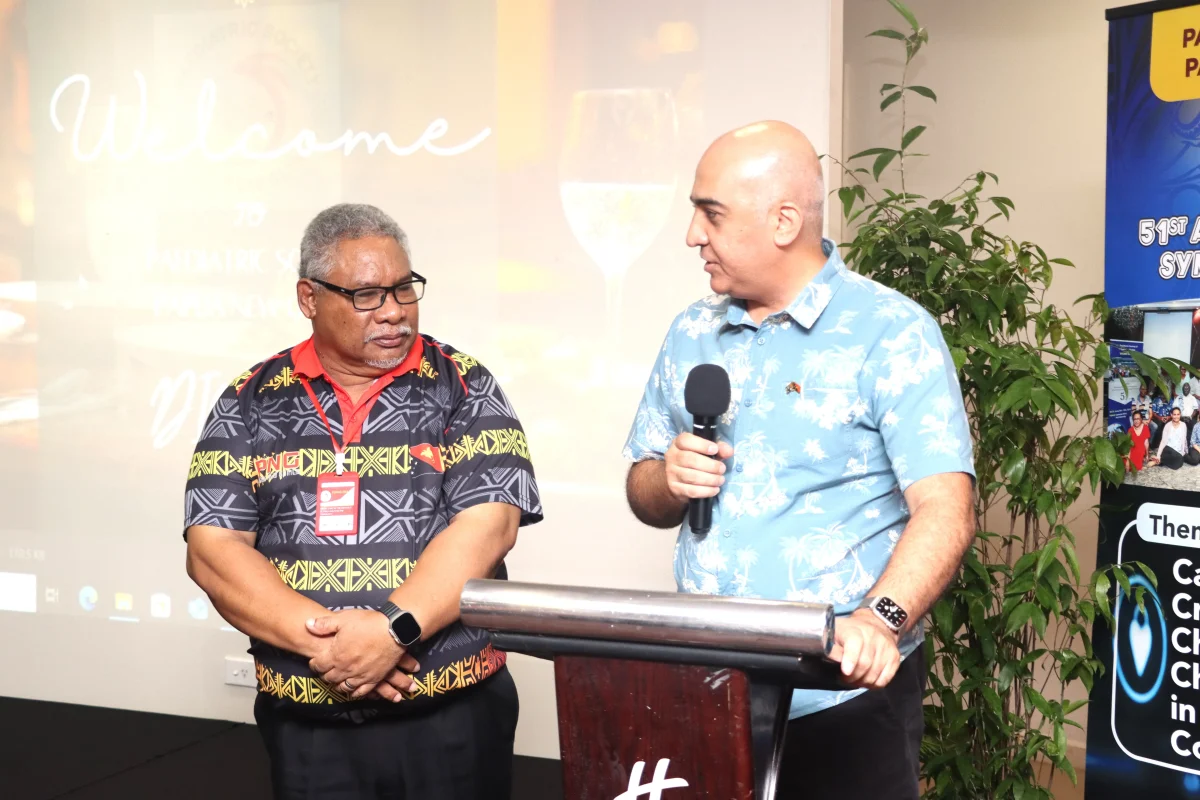
Participants at the event

Written by paediatricians and medical specialists with extensive local knowledge, the guide provides practical, evidence-based advice for diagnosing and treating common childhood illnesses, managing emergencies, and promoting preventive care.

As part of Australia’s long-standing commitment to improving health outcomes in PNG, 30,000 copies of the new edition have been printed and will be distributed nationwide.

Dr. James Amini, President of the PSPNG, highlighted the book’s vital role in saving lives.

Dr Ramez Alhazzaa (Australian High Commission) with Dr James Amini (President of the Society)

“Every child in Papua New Guinea has the right to healthcare, yet reaching them across rural and peri-urban communities remains a great challenge,” Dr. Amini said.

“Most child deaths are preventable with early diagnosis and simple treatments. The Standard Treatment Book, now in its 11th edition, equips health workers with the guidance they need to deliver these life-saving interventions.”

Categories
News

Strengthening governance in PNG

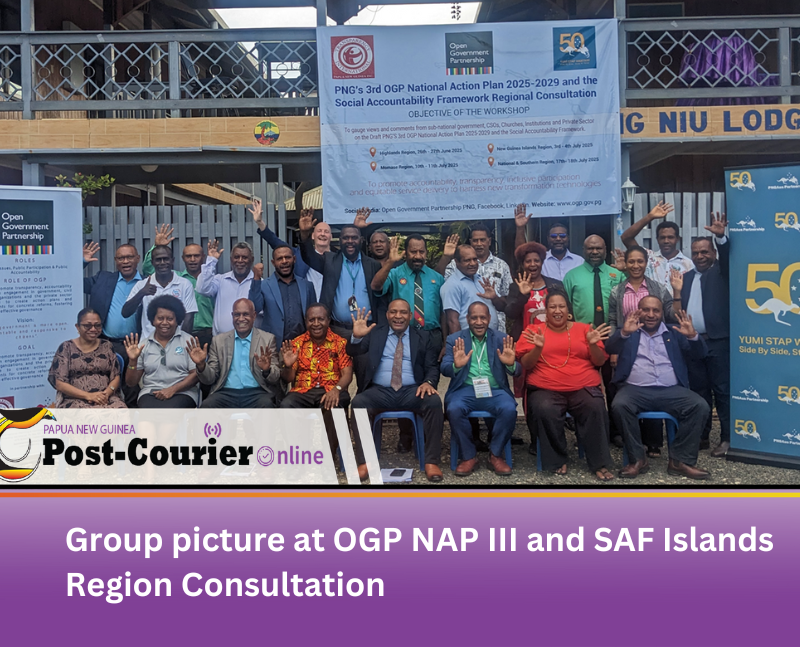
The Open Government Partnership’s (OGP) Third National Action Plan (2025–2029) and the National Social Accountability Framework (SAF) regional consultations have energised national efforts to strengthen governance. 

The consultations have brought civil society leaders, government officials, and international partners at the subnational and district level together to shape reforms that prioritise transparency and accountability. The New Ireland Province raised its hand to be a pilot area for these reforms.

Australia and Papua New Guinea, both are members of the global OGP initiative and are working together to promote open government and inclusive development.

Participants reviewed 25 draft commitments under the OGP plan, covering areas such as Freedom of Information, Digital Transformation, and Fiscal Transparency. Discussions centred on how civil society can bridge the gap between citizens and government, ensuring reforms are grounded in community realities.

The first priority under the National Action Plan will address social accountability in health and education services. Key next steps include finalising Memorandums of Understanding with government agencies, launching a national communication strategy, and promoting local ownership of the action plan.

Australia’s continued support through the PNGAusPartnership will assist in these initiatives. The Open Government Partnership (OGP) is a global effort fostering collaboration for enhanced transparency and citizen engagement, with PNG actively participating in this initiative as the 78th member.

Categories
News

Paediatric Cardiologist Screens 51 Children During Two-Day Visit to Enga

Paediatric cardiologist Dr. Diane Olita’a, from the Paediatric Society of Papua New Guinea, conducted a two-day heart screening for children in Enga Province, identifying 51 cases of potential heart conditions.

Dr. Olita’a arrived on Wednesday from the Southern Highlands as part of a national initiative led by the National Department of Health in collaboration with the Operation Open Heart Foundation, and co-funded by the Enga Provincial Health Authority (PHA).

Out of 57 suspected cases, 51 children were screened during her visit. The screenings are a vital step toward providing timely intervention and treatment for children with heart issues in the province.

Dr. Olita’a praised the cooperation and warmth she experienced during her visit, saying, “Despite the negative portrayals on social media, I found Enga to be a place of healing, it felt like therapy.”

As a result of the screenings, three children will be referred to Port Moresby General Hospital for further evaluation and potential heart surgery.

The paediatric cardiology program, supported by the Operation Open Heart Foundation, continues to focus on improving access to specialized care for children, especially in remote areas.

The Enga PHA aims to make the screenings an annual event to ensure consistent medical attention for the children in the region.